Every business eventually reaches the same moment: a fleet of laptops is due for replacement, a data center is being upgraded, or a batch of smartphones is coming back from a leasing program. The old equipment can't just go in the trash — it holds corporate data, still has resale value, and contains materials that shouldn't end up in a landfill.
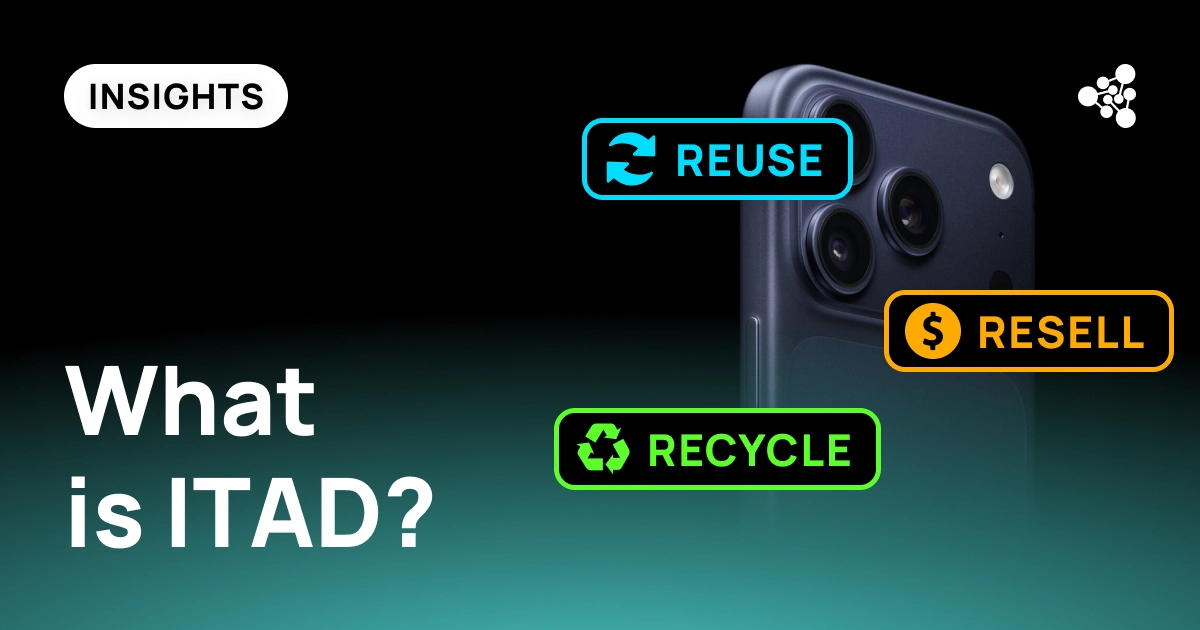
This is the problem ITAD companies exist to solve. ITAD stands for IT Asset Disposition, and providers in this space combine data destruction, testing, refurbishment, resale, and recycling into a single, auditable process. Done well, it turns a compliance headache into a source of recovered value — and keeps another shipment of devices out of the world's growing pile of electronic waste.
Key Takeaways
- ITAD companies retire IT equipment responsibly through resale, refurbishment, recycling, or certified destruction.
- IT asset destruction and certified data erasure are what make disposition safe from a security and compliance standpoint.
- Reselling and refurbishing devices extends their useful life and reduces electronic waste.
- ITAD asset disposal and recycling combine environmental responsibility with genuine financial value recovery.
- Automation and standardized diagnostics are making the whole ITAD process faster, more consistent, and easier to audit.
What Is an ITAD Company?
An ITAD company manages the end-of-life stage of business technology — the point where a device stops being useful to its current owner but hasn't necessarily reached the end of its useful life altogether. Rather than treating every retired asset the same way, an ITAD provider evaluates each device individually to figure out its best possible outcome.
Depending on condition, age, and data sensitivity, a device might be:
- securely wiped and resold on the secondary market;
- refurbished and put back into circulation;
- stripped for reusable parts and components;
- processed through certified recycling;
- physically destroyed, when reuse isn't an option or data security demands it.
Companies typically turn to ITAD companies when refreshing employee devices, decommissioning data centers, closing out equipment leases, or clearing out warehouses full of retired hardware. In all of these cases, the goal is the same: protect sensitive information, recover whatever value is left in the equipment, and dispose of the rest responsibly.
What Services Do ITAD Companies Provide?
Services differ from provider to provider, but most ITAD companies build their process around a few core capabilities.
Secure Data Erasure and IT Asset Destruction
Data security is usually the first concern in any disposition project. Laptops, phones, servers, and storage drives routinely hold confidential business records, customer data, and intellectual property, and none of it can leave the building unprotected.
Depending on the requirement, this can mean certified software-based erasure, cryptographic erasure on supported devices, physical drive shredding, or full IT asset destruction with documentation to match. Many organizations also need a certificate confirming that data was properly sanitized, both for their own peace of mind and to satisfy regulations like GDPR or HIPAA.
This is one of the areas where automation has changed the game. NSYS Data Erasure, for example, wipes devices to recognized standards such as ADISA, NIST, and R2, and generates a tamper-proof certificate and audit trail for each one — turning what used to be a manual, error-prone step into something that's easy to document and verify.
Asset Testing and Diagnostics
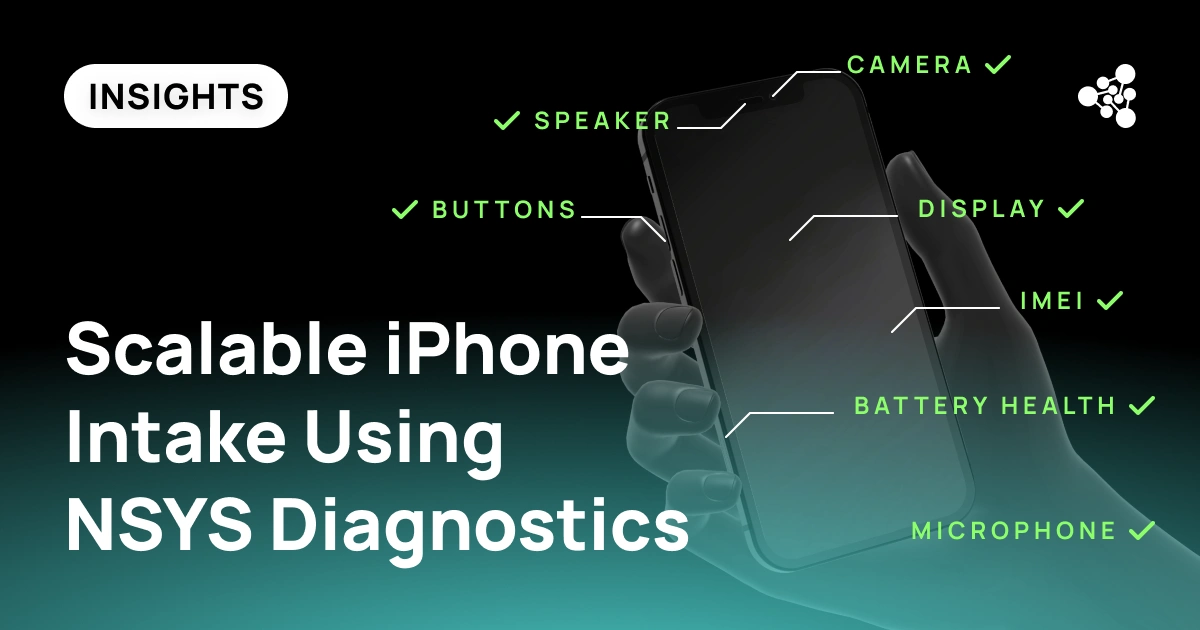
Before anyone decides whether a device should be resold, refurbished, or recycled, it needs an honest assessment. Diagnostics check for hardware failures, battery health, screen defects, connectivity problems, and general functionality — the kind of detail that's easy to miss with a quick visual check.
At scale, this is hard to do consistently by hand. Automated diagnostic tools such as NSYS Diagnostics can run dozens of hardware and functional tests per device and flag well over a hundred possible defects, producing a standardized report instead of a subjective judgment call. Paired with AI-based cosmetic grading, this gives a fuller picture — both technical and visual — that speeds up refurbishment and resale decisions without sacrificing consistency.
Refurbishment and Remarketing
A large share of retired IT assets still have real market value. Once data has been erased and a device has been tested, it can be repaired, cleaned up cosmetically, certified, and sold on the secondary market. For organizations offloading equipment in bulk, refurbishment and resale often recover far more value than sending everything straight to recycling.
ITAD Recycling
For devices that can't be repaired or resold, certified ITAD recycling is the last stop. This process recovers materials like aluminum, copper, steel, gold, cobalt, and various rare earth elements instead of letting them end up buried in a landfill, and it handles hazardous components — batteries especially — in a way that avoids environmental contamination. Given how fast electronic waste is growing as a global waste category, responsible recycling isn't optional; it's part of what makes the rest of the ITAD process defensible.
Why ITAD Matters
Protecting sensitive data. Deleting files or reformatting a drive doesn't actually make the data unrecoverable — a fact that catches a surprising number of organizations off guard. Certified sanitization methods are what make it safe to resell or recycle a device without wondering what might turn up on it later.
Recovering value instead of losing it. Not every retired device is actually at the end of its life. Smartphones, laptops, networking gear, and enterprise hardware often retain meaningful resale value, and an experienced ITAD provider is what separates equipment that gets a second life from equipment that gets thrown away prematurely.
Supporting sustainability goals. As companies pay closer attention to their environmental footprint, IT asset disposal and recycling has become part of that picture. Keeping devices in circulation longer reduces landfill waste, cuts down on the emissions tied to manufacturing replacements, and supports the broader shift toward a circular economy — all without requiring a single tradeoff on data security.

How Technology Is Transforming ITAD
ITAD used to run largely on manual inspection and spreadsheets. That's changing. Modern providers increasingly rely on software to track assets, standardize testing, and document every step of the process — automated diagnostics, certified data erasure, AI-powered cosmetic grading, IMEI and barcode tracking, digital chain-of-custody records, and automated reporting are becoming the norm rather than the exception.
Integrated platforms such as the NSYS ecosystem bring several of these pieces together: a device can be tested, wiped, graded, and logged into inventory with full traceability, all in one workflow. For anyone processing large volumes of smartphones and tablets, that kind of consistency also makes it much easier to demonstrate compliance and produce standardized reporting on demand.
How to Choose an ITAD Company
Price is rarely the whole story when picking a provider. A few things worth checking first:
- Certifications and compliance — does the provider follow recognized standards for data security and environmental handling?
- Secure data handling — how exactly is data sanitized, and will you get certificates of erasure or destruction?
- Transparent reporting — can they provide detailed records covering inventory, serial numbers, processing status, and destruction certificates?
- Sustainability practices — do they prioritize reuse and resale ahead of recycling, or default straight to the shredder?
- Technology and automation — automated diagnostics and digital asset tracking usually mean better consistency and faster turnaround than a manual process.
The Future of IT Asset Disposition
As businesses cycle through technology faster and environmental regulations tighten, expectations for ITAD companies are rising too. It's no longer enough to just dispose of equipment securely — organizations want measurable sustainability outcomes, full traceability, and reporting they can hand to an auditor without a second thought.
That shift is pushing the whole industry toward automation: diagnostics, certified erasure, and digital tracking are what let providers process higher volumes without losing consistency or cutting corners on compliance. Platforms like NSYS are part of that trend, combining diagnostics, data erasure, and inventory management into one workflow — but regardless of which provider a business works with, the direction is clear: less guesswork, more documentation, and more value recovered from every device that comes through the door.
Frequently Asked Questions
What does an ITAD company do?
An ITAD company manages retired IT assets end-to-end — erasing data securely, testing devices, refurbishing equipment for resale, recovering reusable components, recycling materials, and documenting each step along the way.
What is the difference between ITAD and electronic recycling?
Electronic recycling is mainly about recovering raw materials from devices that have reached the end of their life. ITAD is the broader process around it — data destruction, diagnostics, refurbishment, asset tracking, and resale — with recycling as one possible final step rather than the whole story.
Why is secure data destruction important?
Retired devices often still hold confidential business data. Certified erasure or physical destruction is what prevents that information from being recovered after the equipment leaves the organization, which matters both for security and for meeting regulatory requirements.
What devices do ITAD companies handle?
Most providers work with laptops, desktops, smartphones, tablets, servers, networking equipment, storage devices, and monitors — essentially anything that qualifies as enterprise IT hardware.
How does ITAD help reduce electronic waste?
By extending device lifespans through refurbishment and resale, ITAD keeps hardware in use longer and out of landfills. When a device genuinely can't be reused, certified ITAD recycling recovers the materials that can be, rather than letting them go to waste.
Can businesses actually recover value from old IT equipment?
Yes — a lot of retired devices retain real resale value once they've been securely wiped, tested, and refurbished. A good ITAD provider helps identify which assets are worth that process and which aren't, while keeping compliance and data security intact throughout.