Every smartphone entering the secondary market must be evaluated before it can be repaired, graded, or resold. While cracked screens or damaged housings are easy to spot, many hardware issues remain hidden during a visual inspection. A battery may have lost significant capacity, a proximity sensor may fail intermittently, or a charging port may appear functional but perform unreliably.
This is why mobile hardware diagnostics platforms for device fault identification have become an essential part of professional device processing. Automated testing provides objective data, helping refurbishers, retailers, wholesalers, and ITAD companies make faster decisions, improve grading accuracy, and reduce costly returns.
Key Takeaways
- Automated diagnostics identify hardware issues that visual inspections often miss.
- Consistent testing improves grading, pricing, and refurbishment decisions.
- Professional diagnostics support every stage of smartphone processing, from intake to resale.
- Cross-platform solutions simplify testing for both Android and iOS devices.
- NSYS Diagnostics combines automated testing, device verification, and certification in one platform.
What Is Mobile Hardware Diagnostics?
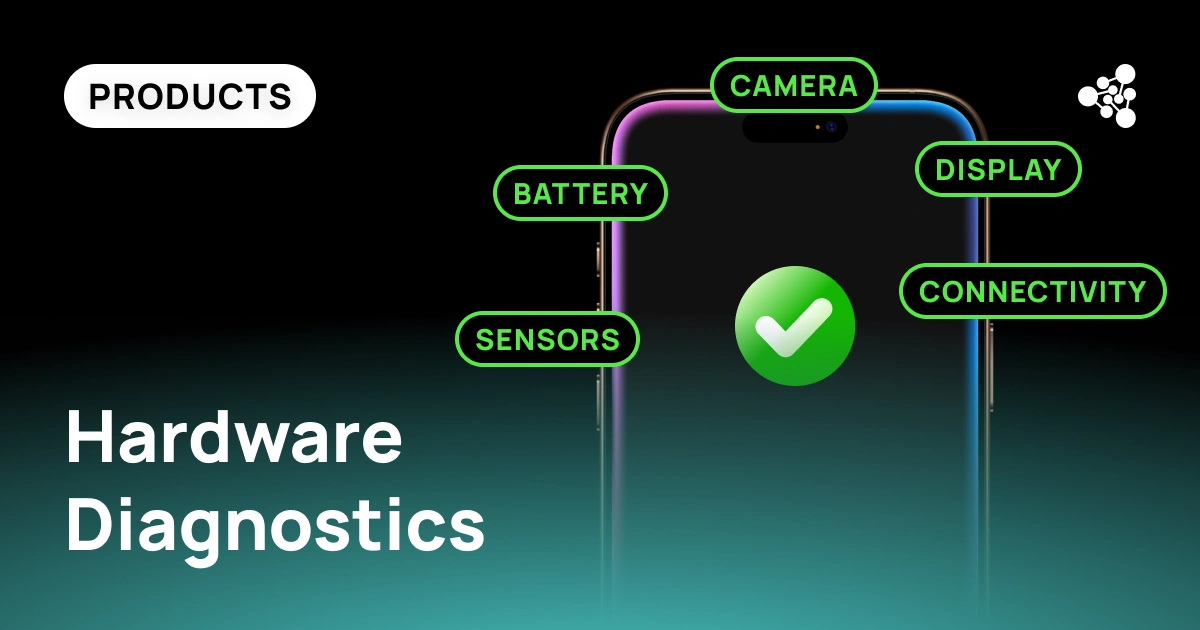
Mobile hardware diagnostics is the systematic testing of a smartphone's physical components using specialized software. Instead of relying solely on manual inspection, technicians can verify battery health, cameras, sensors, audio components, connectivity, and other hardware through standardized tests.
Today, mobile hardware diagnostics software for Android and iOS vendors is widely used across trade-in programs, refurbishment facilities, retail operations, and ITAD businesses. Automated testing delivers consistent results regardless of who performs the inspection, making quality control faster and more reliable.
Common Smartphone Hardware Faults
Many hardware defects are difficult to detect without dedicated testing tools. The most common include:
- Battery and charging issues, such as degraded battery health, unstable charging, overheating, or worn charging ports.
- Display and touchscreen faults, including dead pixels, unresponsive touch areas, brightness inconsistencies, and ghost touches.
- Camera and sensor failures, affecting autofocus, flash, gyroscope, accelerometer, proximity sensor, Face ID, or fingerprint recognition.
- Audio and connectivity problems, including faulty speakers, microphones, Bluetooth, Wi-Fi, GPS, NFC, and vibration motors.
Identifying these problems early prevents incorrect pricing decisions and reduces the likelihood of warranty claims after resale.
How Diagnostics Support Smartphone Processing
Professional device processing is more than running a few hardware tests. Diagnostics provide reliable data that supports every stage of the workflow:
Device intake → Identity checks → Hardware diagnostics → Data erasure → Cosmetic grading → Repair decision → Certification → Resale
By detecting hardware defects before a device moves to the next stage, businesses can standardize quality control, prioritize repairs, and create transparent records for customers and marketplace partners.
Choosing the Right Diagnostics Platform
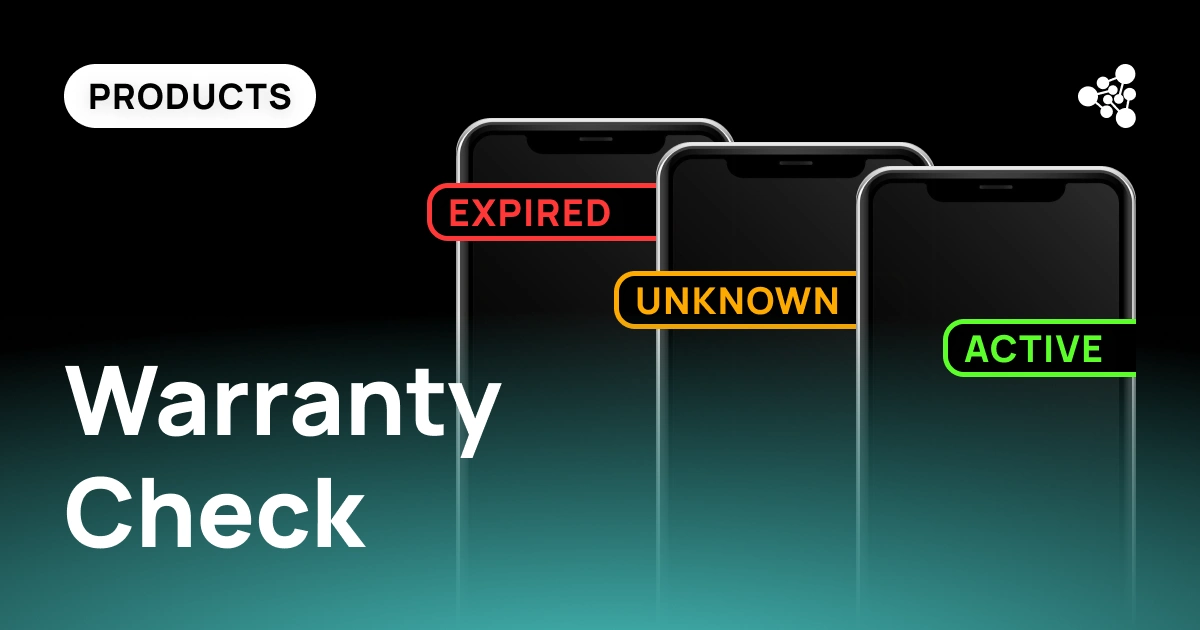
When evaluating mobile hardware diagnostics tools for smartphone processing, businesses should look beyond basic hardware testing. An effective platform should support both Android and iOS devices, automate functional tests, verify battery health, perform IMEI and device status checks, detect non-original parts on supported devices, offer customizable workflows to match operational requirements, and generate professional diagnostic reports that provide trusted documentation for buyers, sellers, trading platforms, and marketplaces.
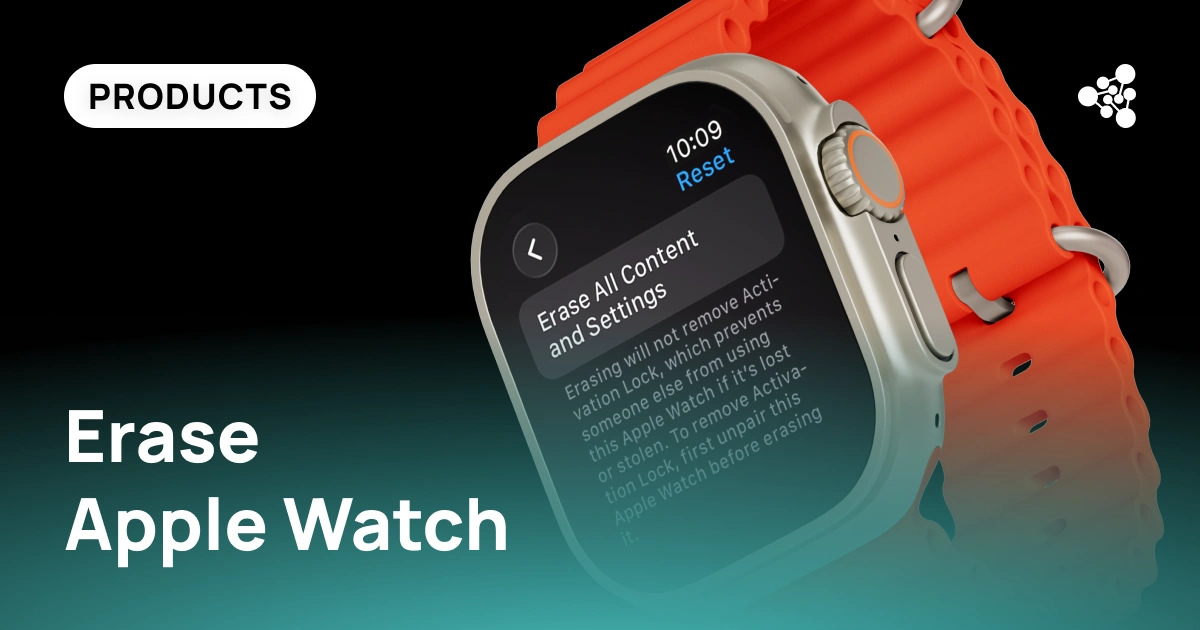
NSYS Diagnostics brings these capabilities together in a single solution. The platform performs more than 60 automated and semi-automated tests, identifies over 100 hardware defects, supports smartphones, laptops, tablets, and Apple Watches, and generates standardized certificates that help businesses document device condition before resale. Combined with device verification and workflow automation, it enables faster processing while improving consistency across high-volume operations.
Automated vs. Manual Testing
Visual inspection remains important for assessing cosmetic condition, but it cannot reliably identify many functional issues. Automated diagnostics provide repeatable results based on standardized testing rather than individual technician experience.
Most professional refurbishers combine both approaches: automated diagnostics verify hardware performance, while visual inspection confirms cosmetic condition. Together, they deliver a more complete and objective assessment of every device.
How Diagnostics Reduce Returns and Improve Resale
Reliable diagnostic data supports better business decisions long before a smartphone reaches its next owner. Hardware reports help determine repair costs, assign functional grades, justify trade-in offers, and provide proof that a device has been thoroughly tested.
For buyers, this transparency increases confidence. For businesses, it reduces unexpected defects, warranty claims, and reverse logistics costs. In a competitive secondary market, consistent diagnostics are no longer just a quality control tool—they have become a foundation for efficient device processing and trusted resale.
Frequently Asked Questions
What is mobile hardware diagnostics?
It is the process of testing smartphone hardware using specialized software to verify functionality and identify faults before repair, refurbishment, or resale.
Which smartphone faults can diagnostic software identify?
Professional platforms can detect battery degradation, charging issues, display faults, camera failures, sensor malfunctions, audio problems, connectivity issues, and—on supported devices—non-original replacement parts.
Can one diagnostics platform test Android and iOS devices?
Yes. Enterprise solutions such as NSYS Diagnostics support both Android and iOS devices, allowing businesses to standardize testing across multiple brands and models.
How are diagnostics used in smartphone processing?
Diagnostics are performed during device intake, quality control, refurbishment, grading, certification, and final inspection to ensure every device meets the required quality standards.
How do diagnostic results support used device sales?
Diagnostic reports provide objective evidence of a device's condition, improve grading accuracy, increase buyer confidence, and help reduce returns by identifying hidden hardware issues before the device is sold.