Businesses that assess each device individually — instead of routing everything straight to recycling — can turn a cost center into a revenue stream. Old mobile phones do not always belong in the recycling bin. For businesses handling large volumes of used devices, many end-of-life phones still have resale, refurbishment, parts, or material value.
Key Takeaways
- End-of-life does not always mean no value.
- Resale and refurbishment can generate more revenue than material recycling.
- Secure data erasure is required before devices are transferred or resold.
- Diagnostics and grading help businesses decide where each device should go.
- A structured recovery process can turn old phones into a recurring revenue source.
What Are End-of-Life Mobile Phones?
An end-of-life mobile phone is a device that is no longer needed by its current owner or is no longer economical to use in its present condition.
This can include phones replaced during corporate hardware refreshes, customer returns, trade-in devices, and damaged or outdated stock. Some may still work perfectly. Others may need a repair or contain components worth recovering.
The GSMA estimates that more than 5 billion mobile phones are currently sitting unused in homes and offices worldwide. (GSMA)
Why Businesses Should Recycle Old Phones
Recycling mobile phones allows valuable materials to be recovered instead of lost. The U.S. EPA estimates that recycling one million mobile phones can recover around 35,000 pounds of copper, 772 pounds of silver, 75 pounds of gold, and 33 pounds of palladium. (EPA)
But recycling is not necessarily the most profitable option. A functional smartphone may have considerably more value as a resale device than as a source of raw materials. A damaged phone may be worth repairing, or its working components may be useful for other devices.
That's why assessment should come before disposal — not after.
How to Dispose of Old Phones Securely
Data security comes before resale or recycling. Business and customer phones can contain personal information, account credentials, documents, and other sensitive data.
A factory reset alone should not be treated as a complete business data-sanitization policy. NIST SP 800-88 Rev. 2 provides current guidance for media sanitization and recommends selecting and validating sanitization methods according to the organization's requirements. (NIST)
A secure workflow should include:
- Recording the device identifier, such as IMEI.
- Applying the appropriate data-sanitization method.
- Verifying the result.
- Removing relevant accounts and activation locks before reuse.
- Recording the sanitization status for audit purposes where required.
Only after this step should the device move to resale, refurbishment, parts recovery, or recycling.
How Mobile Phone Recycling Works
Mobile phone recycling typically starts with collection, sorting, and inspection. Devices with remaining functional or component value can be separated before they enter the recycling stream.
Phones with no economical reuse potential are dismantled and processed to recover materials. Batteries and other components may require separate treatment depending on the recycling facility and local regulations.
In the EU, mobile phones are covered by the WEEE framework, which sets requirements for the collection and treatment of electrical and electronic equipment. (European Commission)
For businesses, the main value decision happens before recycling: whether a device can generate more revenue through another route.
Preparing Devices for Recycling or Resale
Before processing a batch, businesses should build a clear record for every device. Useful data includes:
- IMEI or other device identifier
- Model
- Functional condition
- Battery condition
- Cosmetic grade
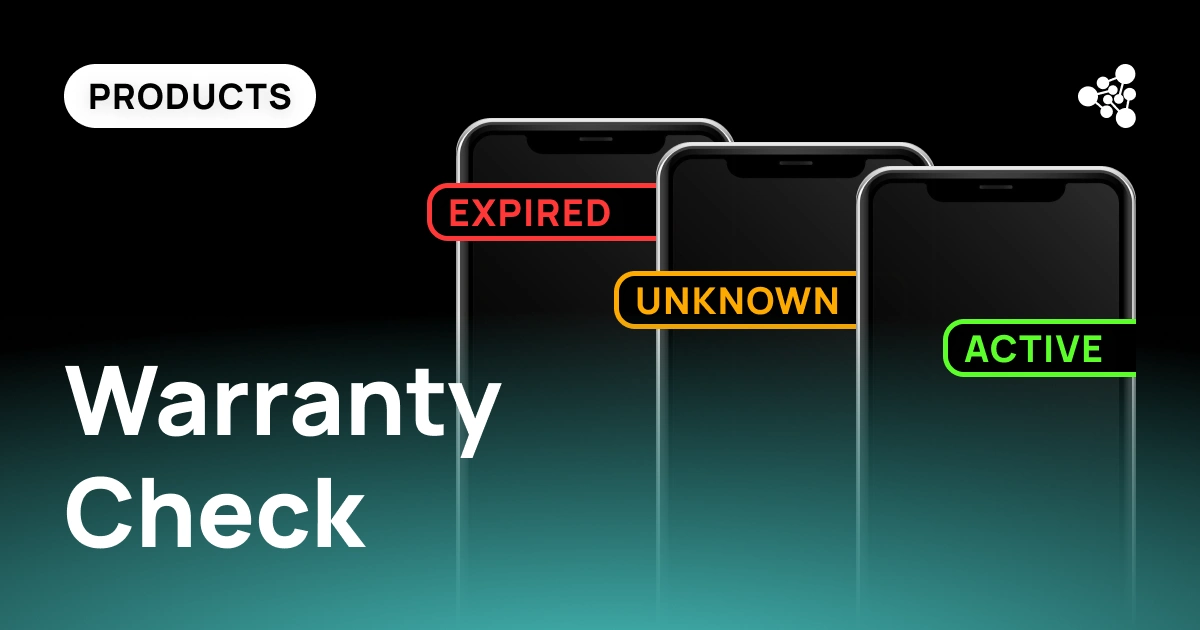
- Activation or network status
- Repair requirements
- Data-erasure status
Manual checks may be sufficient for small quantities, but large batches require a more consistent approach.
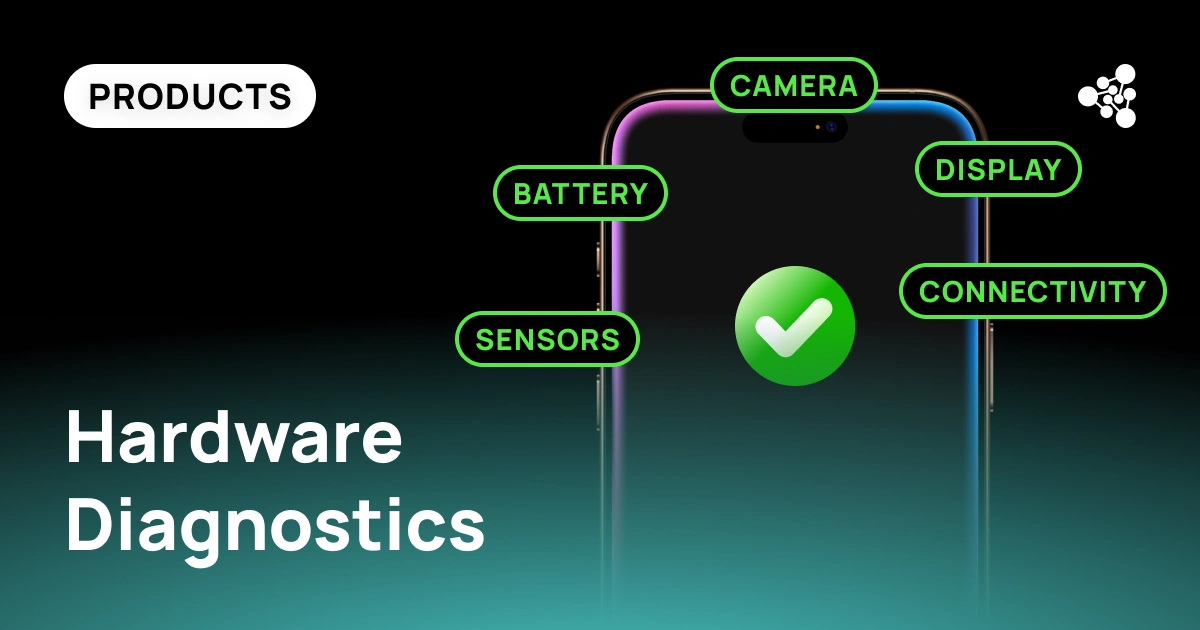
Automated diagnostics can identify functional problems, while cosmetic grading can document visible damage and assign a standardized condition grade. Together, these results give businesses a better basis for deciding whether a device should be resold, repaired, stripped for parts, or recycled.
How to Recover Value from End-of-Life Mobile Phones
There are four main recovery routes, and the right one depends on the device's condition — not its age.
Resale. Fully functional devices can be sold through secondary-market channels, trade-in programs, or B2B buyers. This is usually the most valuable route when a device is functional and in demand.
Refurbishment. Devices with repairable faults can be restored and resold if the expected selling price justifies the repair cost — and leaves enough margin once repair costs are predictable.
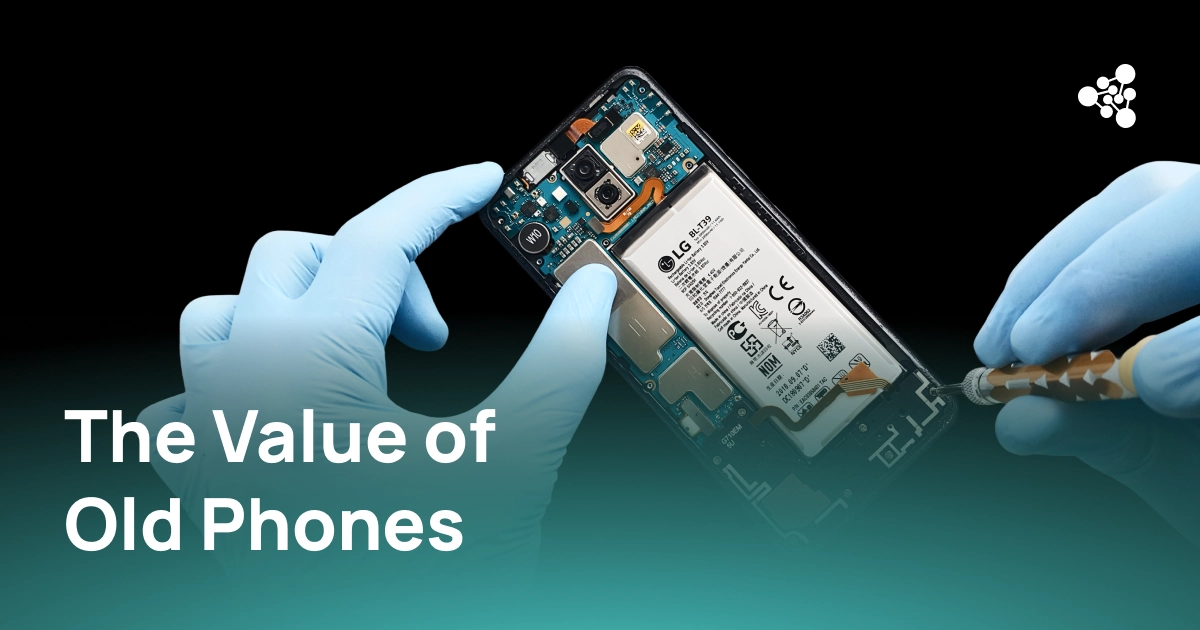
Parts recovery. Phones that are not economical to repair may still contain usable displays, cameras, housings, or other components.
Material recycling. Devices with little remaining functional or component value can be processed for material recovery. This route becomes the right call when a device is heavily damaged, obsolete, uneconomical to repair, or has no meaningful parts value.
|
Route |
Typical device |
Value potential |
|
Resale |
Functional, marketable device |
Highest |
|
Refurbishment |
Repairable device |
High |
|
Parts recovery |
Damaged device with usable components |
Medium |
|
Recycling |
Minimal remaining value |
Lower |
How Businesses Can Build a Revenue Stream from Used Devices
The process can be organized into a repeatable workflow:
Collect → Identify → Test → Grade → Erase → Route → Resell, refurbish, recover parts, or recycle
Devices can come from employee upgrades, trade-in programs, customer returns, buyback operations, or other collection channels.
Once received, each phone is identified and tested. Its condition, cosmetic grade, and data-erasure status are recorded. The device is then routed according to its expected value.
This model helps businesses avoid two common problems: recycling devices that could have been resold, and spending more on repairs than a device is worth.
For companies processing hundreds or thousands of phones, automation can make this workflow faster and more consistent. Solutions such as NSYS Diagnostics, NSYS Autograding, and NSYS Data Erasure can support testing, grading, and secure device processing as part of the recovery workflow.
Frequently Asked Questions
How should businesses dispose of old phones?
Identify and assess each device first, securely erase its data, then choose between resale, refurbishment, parts recovery, and recycling.
What happens during mobile phone recycling?
Devices are collected, sorted, dismantled, and processed to recover materials. Reusable and repairable phones are separated out before recycling.
Is recycling or reselling old phones more profitable?
It depends on the device's condition, repair cost, model, demand, and processing costs. Functional and repairable devices will often generate more value through resale than material recycling.